Severe funding shortages have forced the United Nations World Food Programme (WFP) to slash its food assistance across the Gaza Strip by approximately one third, eliminating vital aid for roughly 500,000 Palestinians each month as winter approaches, the agency announced.
According to The Guardian, the agency's director for Palestine confirmed that the sweeping reductions mean more than half a million people will lose access to monthly food distributions. The cuts come at a moment when two-thirds of Gaza's population face crisis levels of food insecurity, with 200,000 people in direct danger of famine.
Converging Crises and Rising Prices
The reduction in humanitarian relief coincides with mounting restrictions on commercial goods. Al Jazeera reported that Israel has halted commercial shipments entering the enclave, prompting food prices in local markets to escalate sharply and leaving displaced households unable to purchase supplementary provisions.
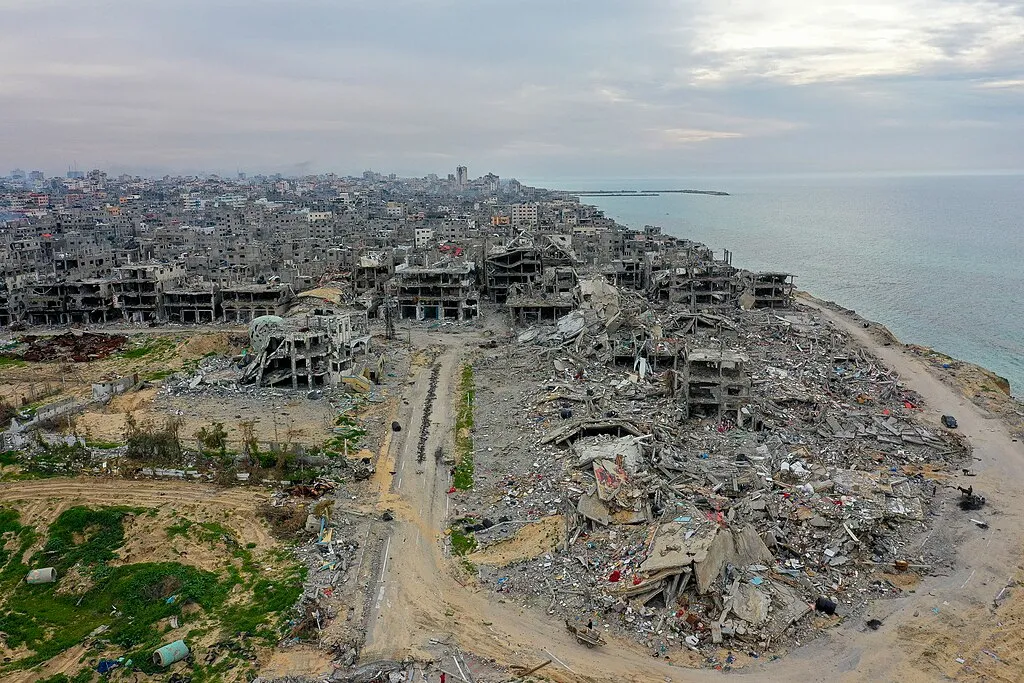
The compounding pressures have heightened fears of a return to the severe famine conditions seen during the past year's siege. Although more than a year has elapsed since a Trump-brokered ceasefire went into effect, pledged reconstruction projects have not commenced, employment remains scarce, and the vast majority of Gaza's population continues to rely on humanitarian aid to survive, The Guardian noted.
Households Reduce Consumption
Across the territory, families have begun rationing what little food they possess. Middle East Eye reported that displaced residents are cutting daily portions to make existing stocks last as long as possible. Among them is Ola Shamali, who cooks minimal rations for her nine-member family following the reduction announcement.
“It means we are going to live on the edge of famine,”
Shamali told Middle East Eye, adding that her 78-year-old father is still suffering the physical consequences of the hunger crisis endured the previous year. Her father, Mohammed Shamali, suffers from bladder cancer, hypertension, and diabetes, necessitating a diet rich in protein and fibre, including vegetables, fruit, fish, meat, and nuts. The family previously sold portions of their WFP rations to afford his special dietary needs, but the new reductions threaten to leave them without recourse.
With international funding shortfalls threatening to suspend food operations further, humanitarian bodies and local residents warn that the confluence of aid reductions and halted commercial deliveries risks plunging the population into an acute nutrition crisis over the coming winter months.