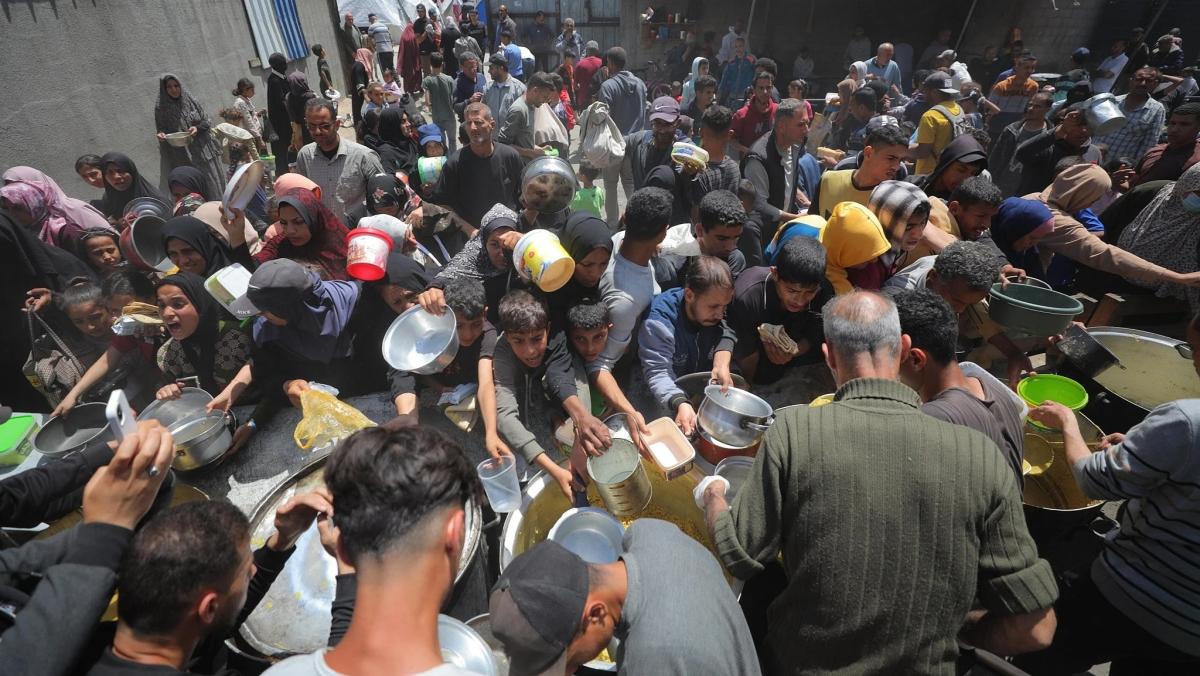
In recent months, the humanitarian catastrophe unfolding in the Gaza Strip has reached a breaking point. With the majority of Gaza’s population facing acute food insecurity, and many now teetering on the edge of famine, the question isn’t whether a crisis is unfolding—it’s how much longer it can be ignored.
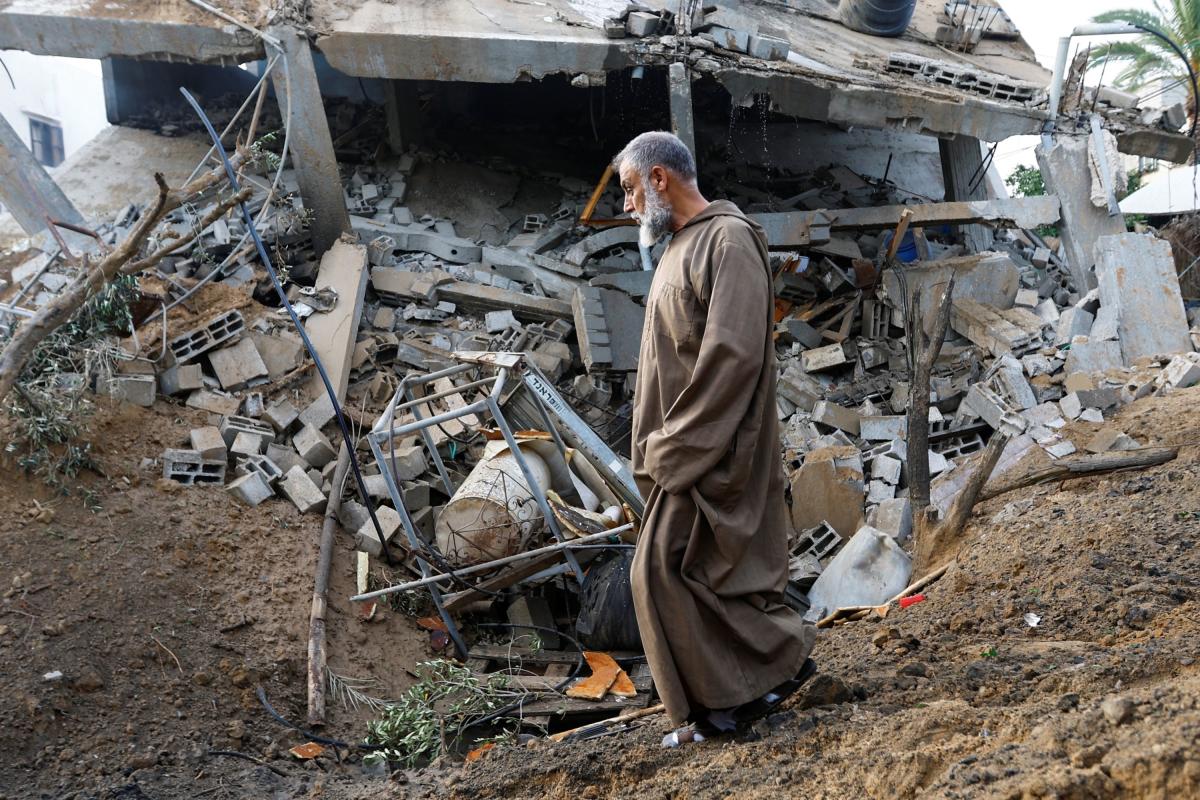
In a harrowing state of affairs, Palestinians in Gaza find themselves entirely cut off from the outside world, trapped in the midst of relentless bombardments, and grappling with a communication blackout that exacerbates an already dire situation. Adding to the crisis, the Israeli military recently issued an evacuation call for the northern Gaza Strip, hinting at an impending operation.
Title: Demographic Profile of Palestine: A Diverse and Complex Society
Introduction:
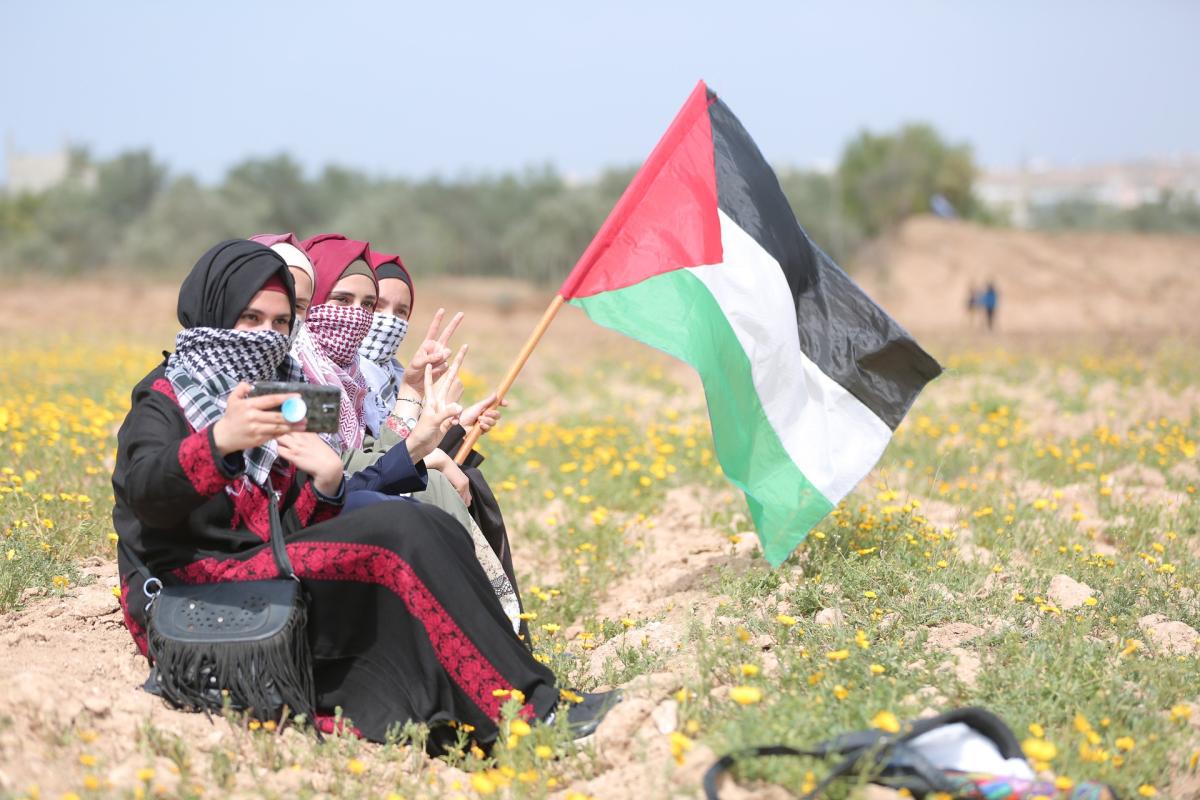
The demographic landscape of Palestine is characterized by its diversity and complexity, reflecting a rich history of cultural, religious, and ethnic influences. Located in the eastern Mediterranean region, Palestine encompasses the West Bank, including East Jerusalem, and the Gaza Strip. This article aims to provide an overview of the demographic makeup of Palestine, shedding light on its population composition, religious affiliations, languages spoken, and other key aspects.
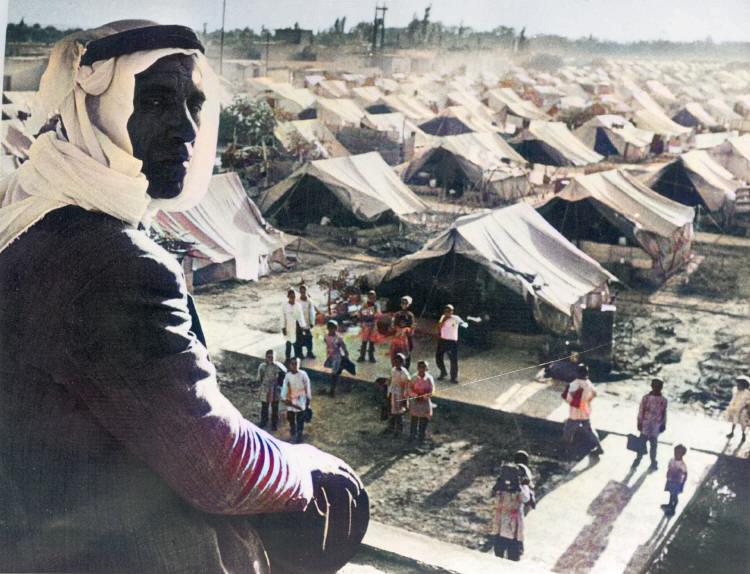
The Nakba, or "Catastrophe" in Arabic, refers to the displacement of hundreds of thousands of Palestinians from their homes and land in the wake of the 1948 Arab-Israeli War. The anniversary of the Nakba is a solemn occasion that is observed by Palestinians around the world every year on May 15th. This year marks the 75th anniversary of the Nakba, and it is an opportunity to reflect on the ongoing struggle for justice and freedom for the Palestinian people.
The Gaza Strip has been a region of conflict for decades, with ongoing tension and violence between Israel and Palestinian groups. Recent news has highlighted the ongoing struggles of the region, including military conflicts, political unrest, and humanitarian crises.