Severe funding shortages have forced the United Nations World Food Programme to reduce its lifesaving food assistance in the Gaza Strip by roughly one-third, leaving half a million people without critical support, the agency announced on 19 October 2026.
According to the WFP, the aid agency will now assist 1.1 million of the most vulnerable Palestinians in Gaza, a significant reduction from the 1.6 million individuals reached the previous month. The agency stated that funding shortfalls directly threaten to reverse progress on food security that it characterized as “modest and fragile.”
Sharp reductions in food parcels and hot meals
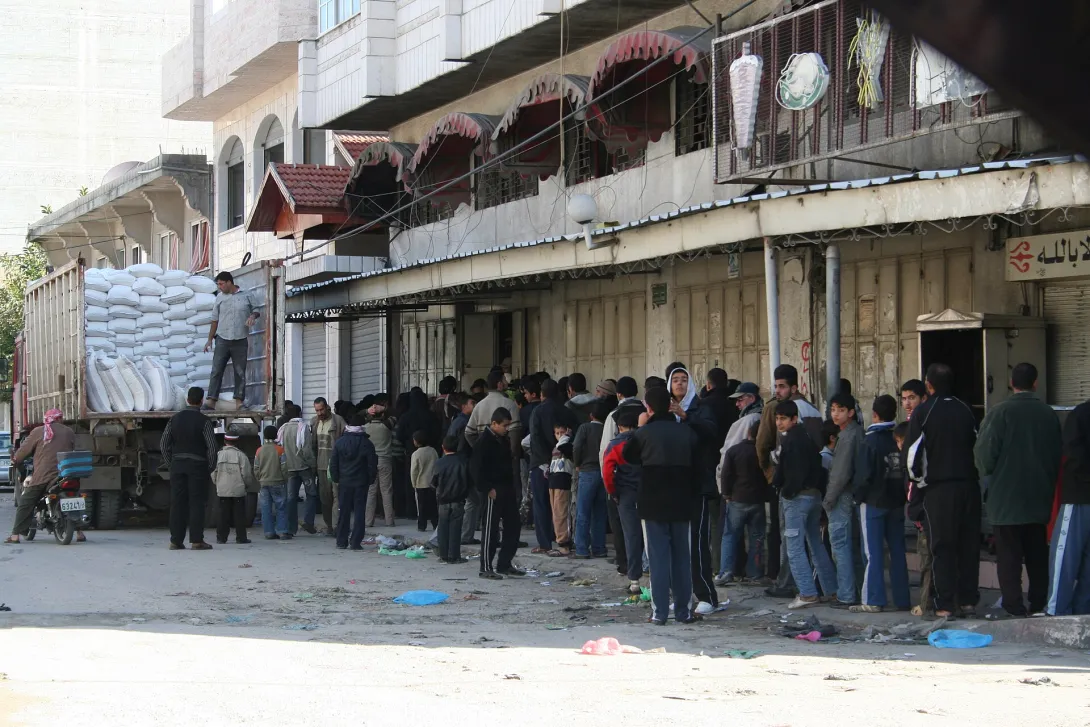
The agency announced that it has halved food rations for the families that remain on its rolls. Under the newly implemented reductions, recipients who previously received two food parcels will now receive only one, along with a smaller bag of wheat flour.
Direct meal distribution has also suffered substantial cuts. The WFP reported that the number of prepared hot meals it distributes daily across Gaza has been lowered from 250,000 to 150,000. For families residing in hard-to-reach locations, including communities situated near the yellow line of Israeli military control, hot meal deliveries will now take place every other day rather than daily.
Additionally, the agency reported reductions to its financial support operations, cutting the total monetary value of cash assistance distributed to 75,000 families across the territory.
Mounting vulnerability ahead of winter
The reductions arrive at a sensitive time as colder winter conditions approach Gaza. The WFP noted that over the past three years, its food interventions have served as an essential lifeline for up to 90 percent of households throughout the enclave.
Following the announcement of a ceasefire in October 2025, the WFP had maintained broad operations that provided roughly 1.6 million residents each month with food parcels, wheat flour, bread, freshly cooked hot meals, targeted nutrition support, school snacks, and cash assistance. The agency stated that it simply lacks the funding required to sustain this scale of humanitarian delivery.
Humanitarian monitors warn that cutting assistance by one-third will severely affect basic survival needs, especially for displaced households and families living near militarized perimeter zones where access to alternative food supplies remains heavily restricted.