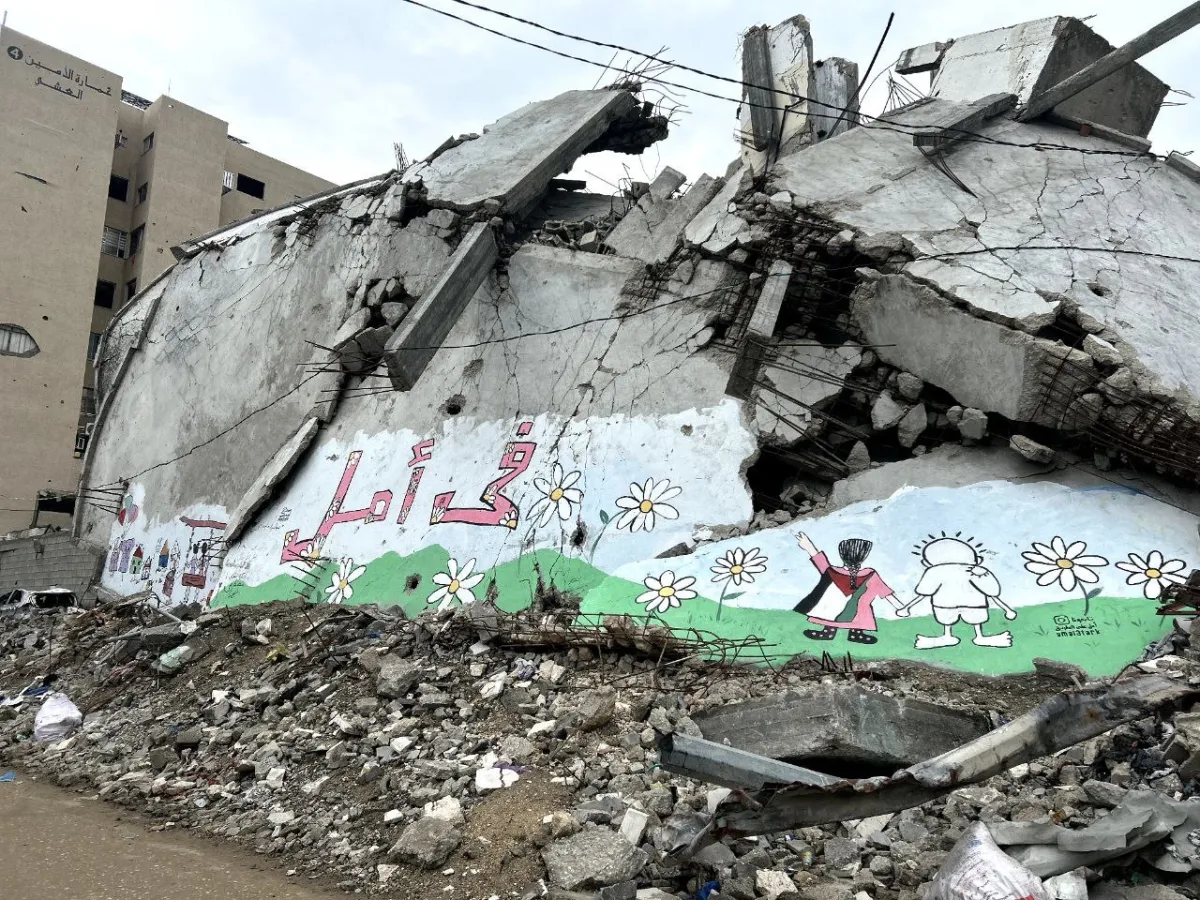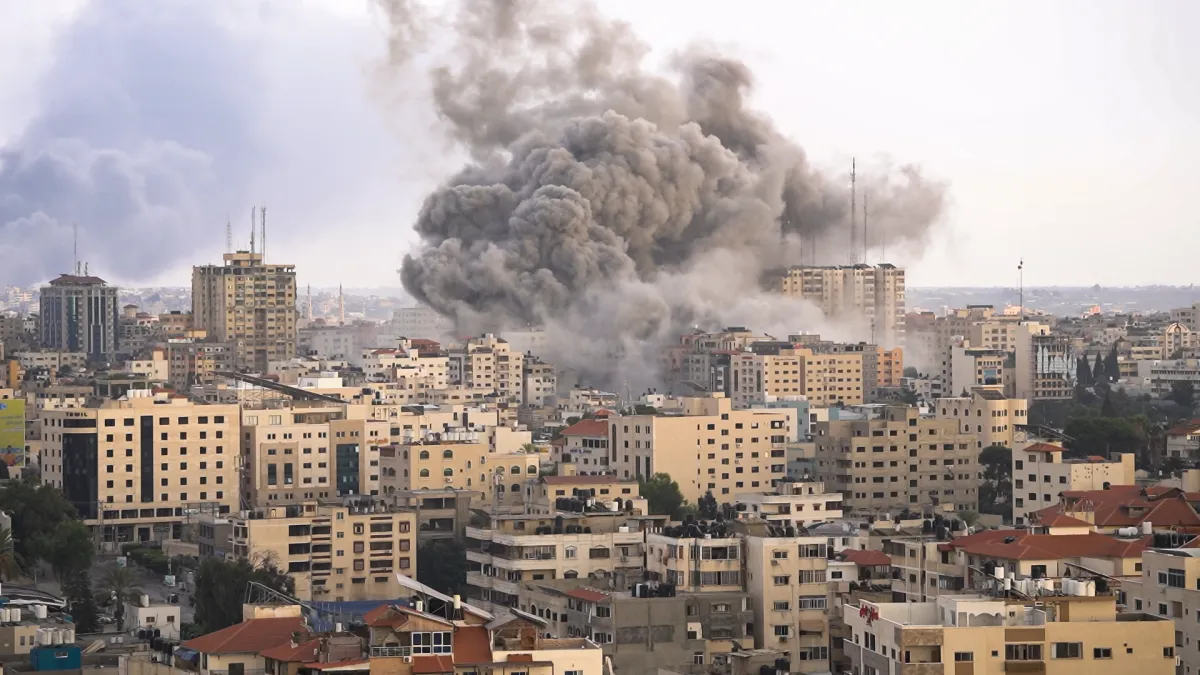
A year after the announcement of a ceasefire, the humanitarian and public health situation in the Gaza Strip remains critical. According to a Public Health Situation Analysis published by the World Health Organization (WHO) and partners on ReliefWeb, ongoing military activities continue to cause civilian casualties and destroy vital civilian infrastructure, taking a severe toll on the health of the population.
The health crisis is compounded by the high volume of casualties recorded over the course of the conflict. According to the Gaza Ministry of Health, the scale of these casualties has placed an overwhelming burden on a severely compromised medical system.
Struggling Healthcare Infrastructure in Gaza
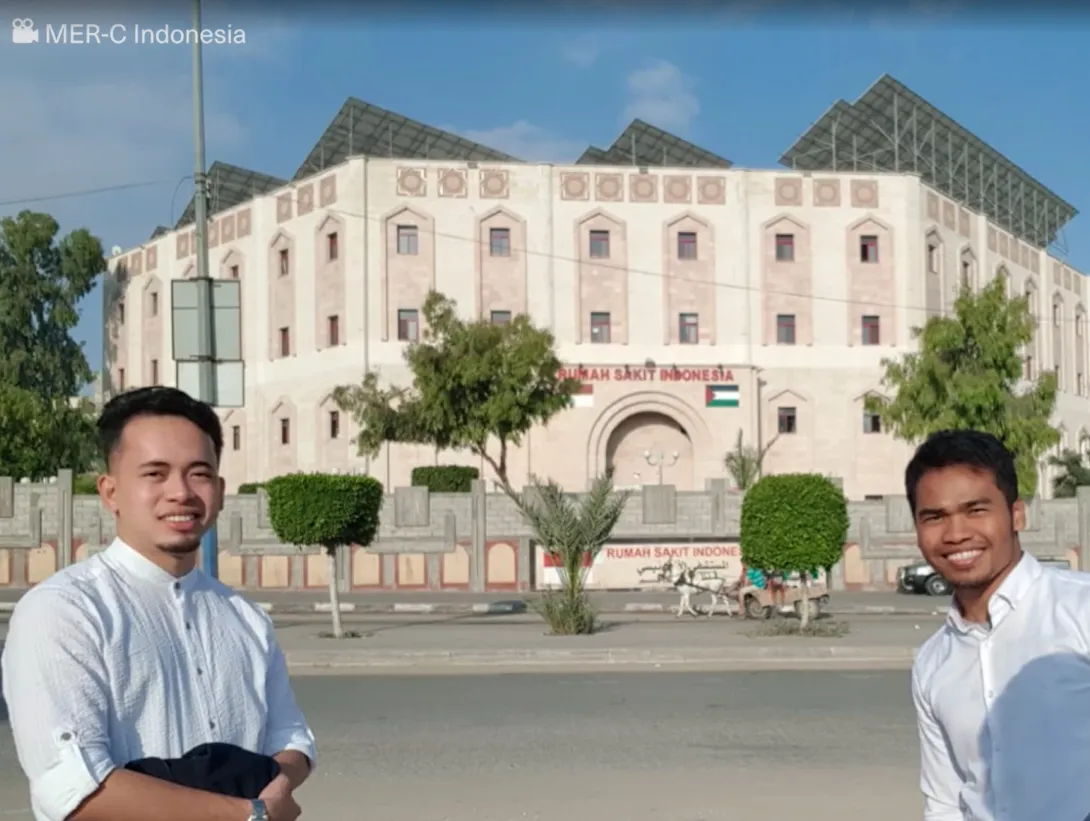
The WHO report reveals that Gaza's healthcare system is operating at a fraction of its original capacity. Currently, only 53 percent of hospitals in the Gaza Strip are partially functional, while 63 percent of primary healthcare facilities are functional. This leaves large segments of the population without reliable access to essential medical services.
Furthermore, the total hospital bed capacity across the entire Gaza Strip has been reduced to just 3,210 beds. According to the WHO, this capacity includes 2,253 inpatient beds, 104 intensive care unit (ICU) beds, and 126 incubators for newborns. These limited resources are highly inadequate to meet the needs of the thousands of injured and chronically ill patients.
Deteriorating Conditions in the West Bank
The public health crisis is not limited to Gaza. The WHO reported that the situation in the West Bank has deteriorated further since the beginning of the year. The population there faces "repeated settler attacks, health care obstructions and movement restrictions," which have severely disrupted daily life and limited access to medical treatment.
The West Bank has also recorded a significant number of fatalities and injuries, according to the data compiled in the report. The combination of violence and restricted movement continues to worsen the humanitarian outlook in the territory.
Winter Threats and Humanitarian Obstacles
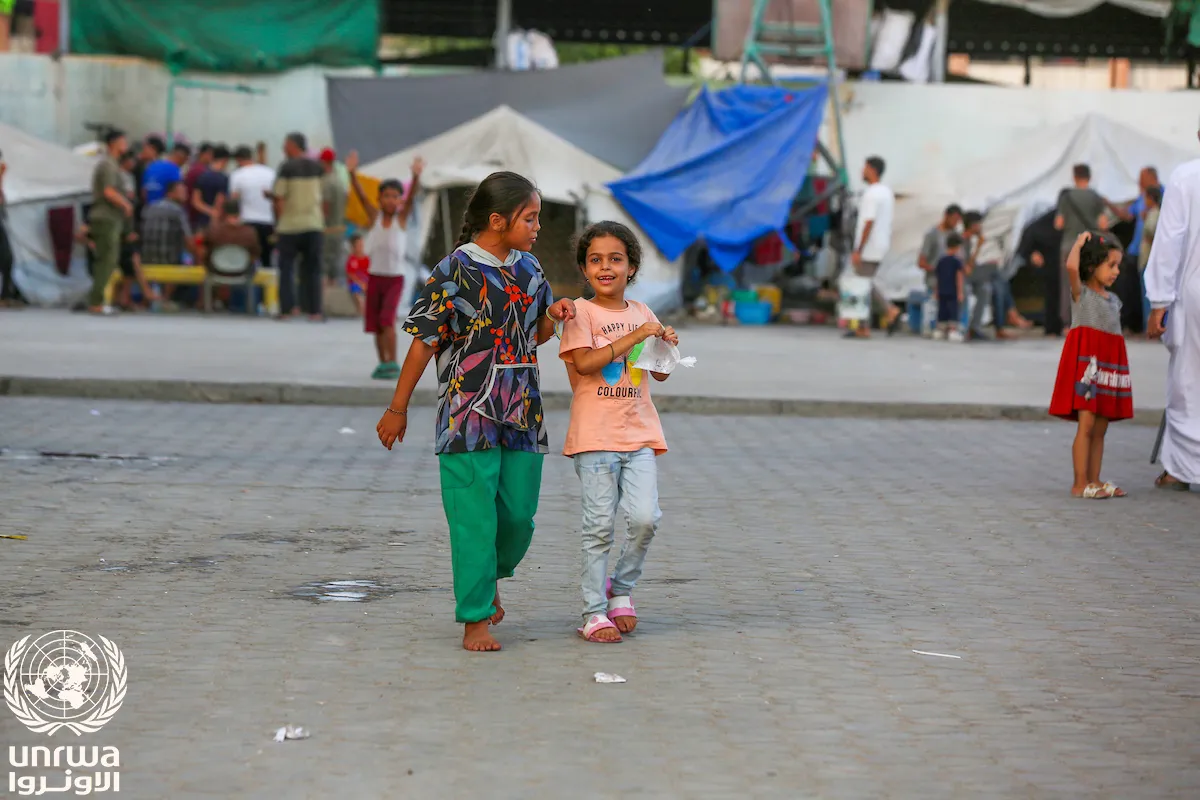
As winter approaches, bringing cold temperatures and heavy rains, humanitarian organizations are raising alarms over the extreme vulnerability of displaced families. Many are living in damaged or makeshift shelters that offer little protection from the elements. The WHO warned that the continuous deterioration of essential infrastructure—including roads, water networks, and sanitation systems—is expected to significantly increase humanitarian needs in the coming weeks.
Despite the urgent need for preparation, aid efforts are facing major roadblocks. The WHO noted that "severe access and security constraints as well as funding shortfalls" continue to impede humanitarian efforts, particularly those aimed at preparing vulnerable populations for the imminent winter season.