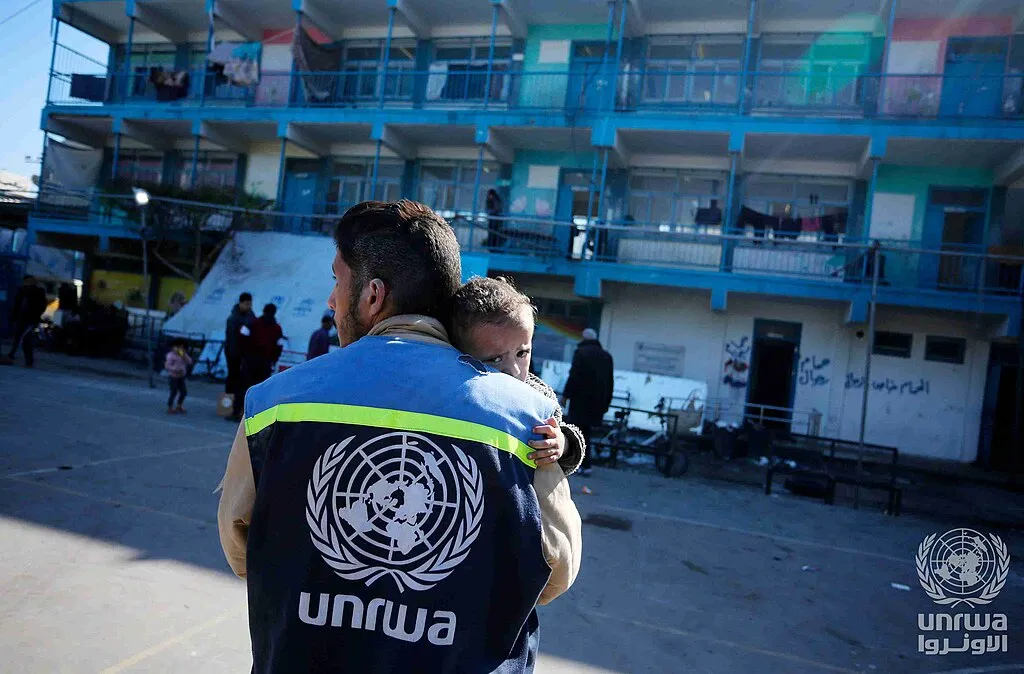
The International Organization for Migration (IOM) and the World Food Programme (WFP) warned on 17 November that critical funding shortfalls and continuing access restrictions are threatening humanitarian operations in Gaza as winter begins. According to the two agencies, more than 1.7 million people remain displaced, 1.4 million face acute hunger and 1.98 million require shelter assistance.
The agencies said recent improvements in food security remain fragile, having been driven largely by humanitarian assistance rather than a recovery of livelihoods, markets or local food systems.
Shelter
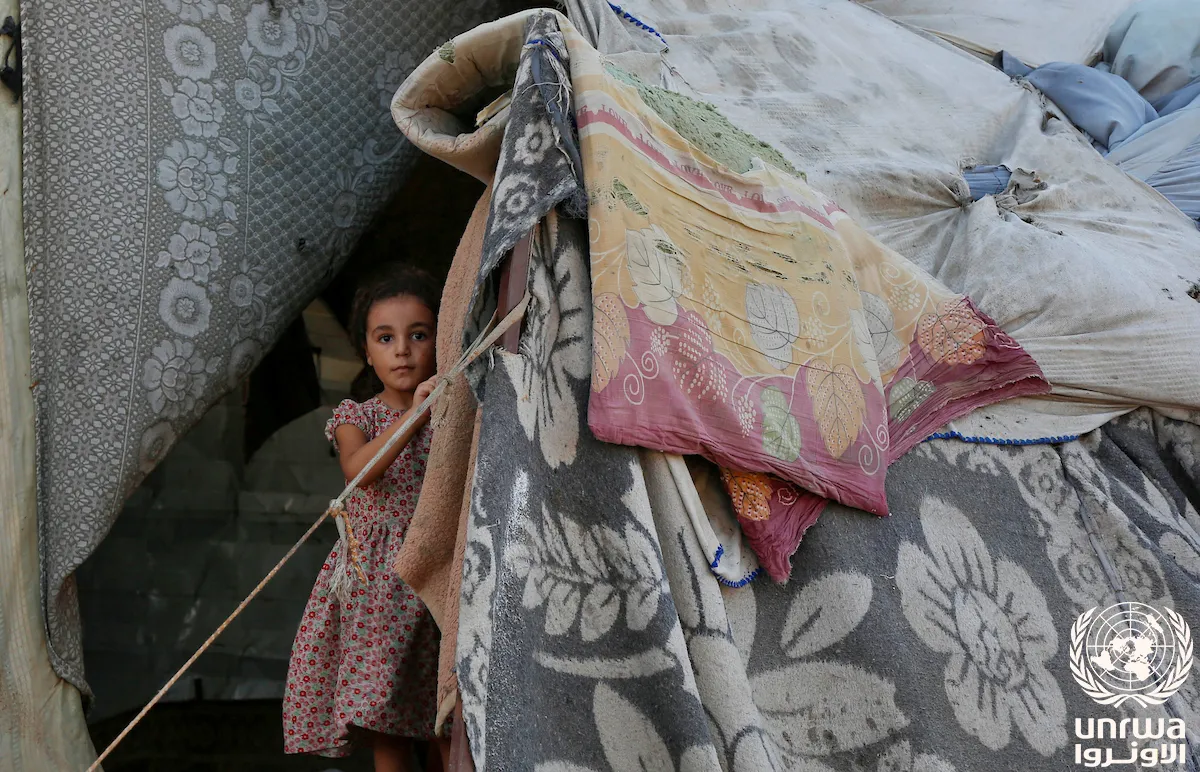
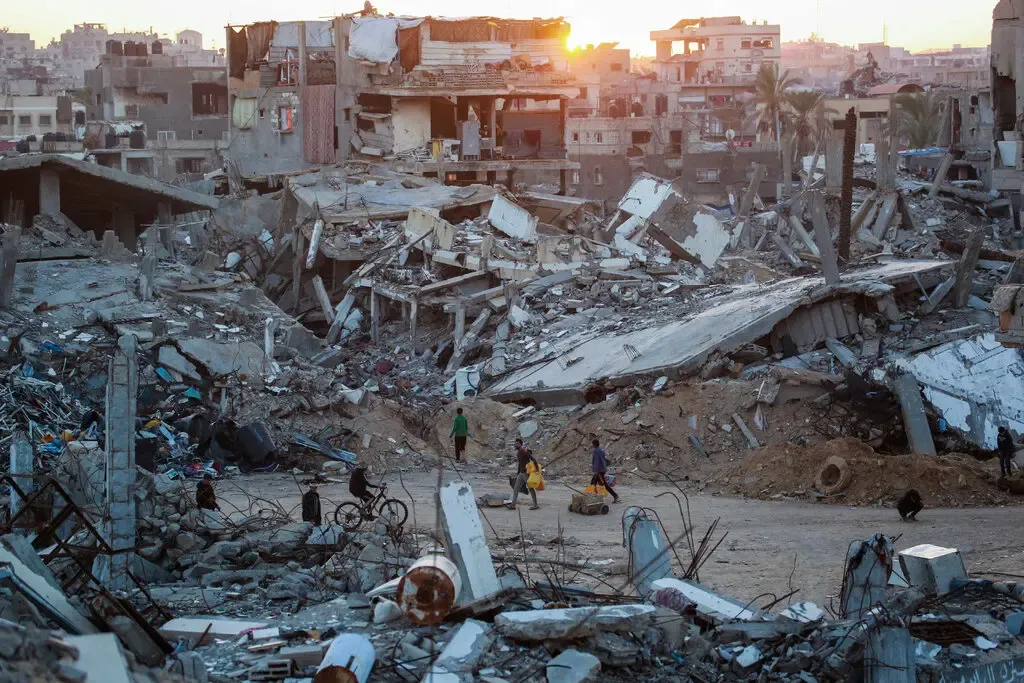
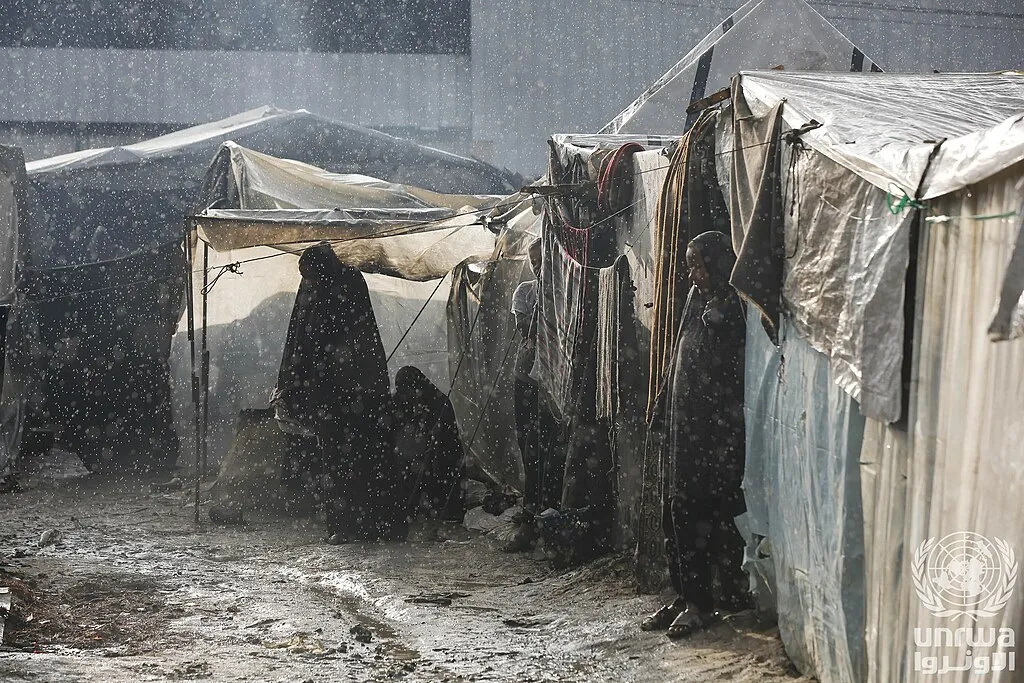
At least 40,000 additional shelters have reportedly been damaged or destroyed since early November, the agencies said, without stating the cause. More than half of Gaza’s 1,700 displacement sites lie in flood-prone areas, and the population has been confined to less than 40 per cent of the territory. IOM said it requires USD 173 million to sustain its shelter response and a further USD 9 million for drainage, lighting and other site improvements.
“Displaced families in Gaza need the basics to get through this winter: a shelter that won’t flood, blankets and clothing to protect children and fuel to cook warm meals,” said Karl Baker, IOM’s Regional Crisis Coordinator.
Food
Funding shortfalls have already forced WFP to reduce assistance: hot meals are now provided every other day, and food parcels and cash assistance have been cut, the agencies said. Cooking gas and firewood remain scarce, and many families burn rubbish to cook. WFP faces a shortfall of USD 436 million over the next six months.
According to the latest Integrated Food Security Phase Classification (IPC) assessment, as many as 1.9 million people, or 90 per cent of Gaza’s population, could face acute food insecurity by the end of 2026 if assistance is not sustained.
“Unless we get immediate support to scale up the humanitarian response, we risk this becoming not only a shelter crisis but also a deeper food security crisis,” said Shaun Hughes, WFP’s Palestine Country Director.
Access
Kerem Shalom remains the only authorised crossing for humanitarian and commercial goods, the agencies said, and items needed for winter, including heaters, fuel, water pumps and heavy machinery, continue to face delays or entry restrictions.